Imagine a vibrant medley of tender vegetables glistening in olive oil, their rich aromas wafting through the kitchen like a warm embrace. The bright colors of eggplant, zucchini, and bell peppers come together in a comforting symphony that promises to elevate any weeknight dinner into a gourmet experience, perfect for sharing with loved ones or savoring quietly at home.
What makes Ratatouille truly special is its ability to shine through simplicity; each ingredient speaks for itself while harmonizing beautifully in a slow simmer. The secret lies in layering flavors, allowing the natural sweetness of tomatoes to meld with fragrant herbs, creating a dish that feels both rustic and refined. Invite this classic Provençal delight into your kitchen and let its warmth transform your dining table into a gathering place for connection and joy.
Why You’ll Love This Ratatouille
You’ll adore this Ratatouille not just for its vibrant colors and rustic charm, but also for the melty texture produced by perfectly simmered eggplant, zucchini, and bell pepper that meld together in a harmony of flavors. The aromatic blend of garlic and herbs—especially the thyme and basil—infuses the dish with an enticing fragrance that fills your kitchen, making it impossible to resist. As each vegetable softens and releases its juices into the rich vegetable broth, you’re left with a comforting bowl of goodness that is both hearty and light. Perfectly versatile, this dish can be served warm or at room temperature, making it an ideal choice for any occasion. Whip up a batch tonight, and let your taste buds revel in the deliciousness of this Provençal classic!
What Kind of Eggplant Should I Use?
For ratatouille, it’s best to use a medium globe eggplant, as its creamy texture and mild flavor complement the other vegetables beautifully. Globe eggplants maintain their shape during cooking, allowing them to absorb the rich flavors of the dish without becoming mushy. If you can’t find globe eggplant, Japanese eggplants are a great alternative; they’re smaller and slightly sweeter but will require less cooking time due to their tender skin. Just be mindful to adjust your simmering time accordingly so they don’t overcook and lose their structure in the final dish.
Ingredients You’ll Need
Each ingredient in this dish plays an essential role in flavor and texture. Here’s what you’ll need:
- 1 medium eggplant (diced): Contributes a creamy texture and absorbs the flavors of the dish.
- 1 medium zucchini (diced): Adds a subtle sweetness and delicate texture to balance the other vegetables.
- 1 medium bell pepper (diced): Provides a slight crunch and vibrant color, enhancing visual appeal.
- 1 medium onion (chopped): Offers a foundational sweetness that deepens as it cooks.
- 2 cloves garlic (minced): Infuses the dish with aromatic depth and bold flavor.
- 2 medium tomatoes (chopped): Brings acidity and juiciness, helping to create a rich sauce.
- 1 cup zucchini (sliced): Introduces additional layers of texture while maintaining freshness.
- 1 cup yellow squash (sliced): Adds a mild sweetness and bright color, complementing the other veggies.
- 1 teaspoon dried thyme: Imparts an earthy aroma that enhances the overall savory profile.
- 1 teaspoon dried basil: Provides a hint of sweetness and a classic herbaceous note typical of Provençal cuisine.
- 1 teaspoon salt (to taste): Essential for bringing out the natural flavors of all ingredients.
- 1/2 teaspoon black pepper (to taste): Adds warmth and a subtle kick to balance the dish’s richness.
- 2 tablespoons olive oil: Serves as a cooking medium while adding richness and depth of flavor.
- 1 cup vegetable broth: Creates a flavorful base that allows the vegetables to simmer beautifully.
How To Make This Recipe
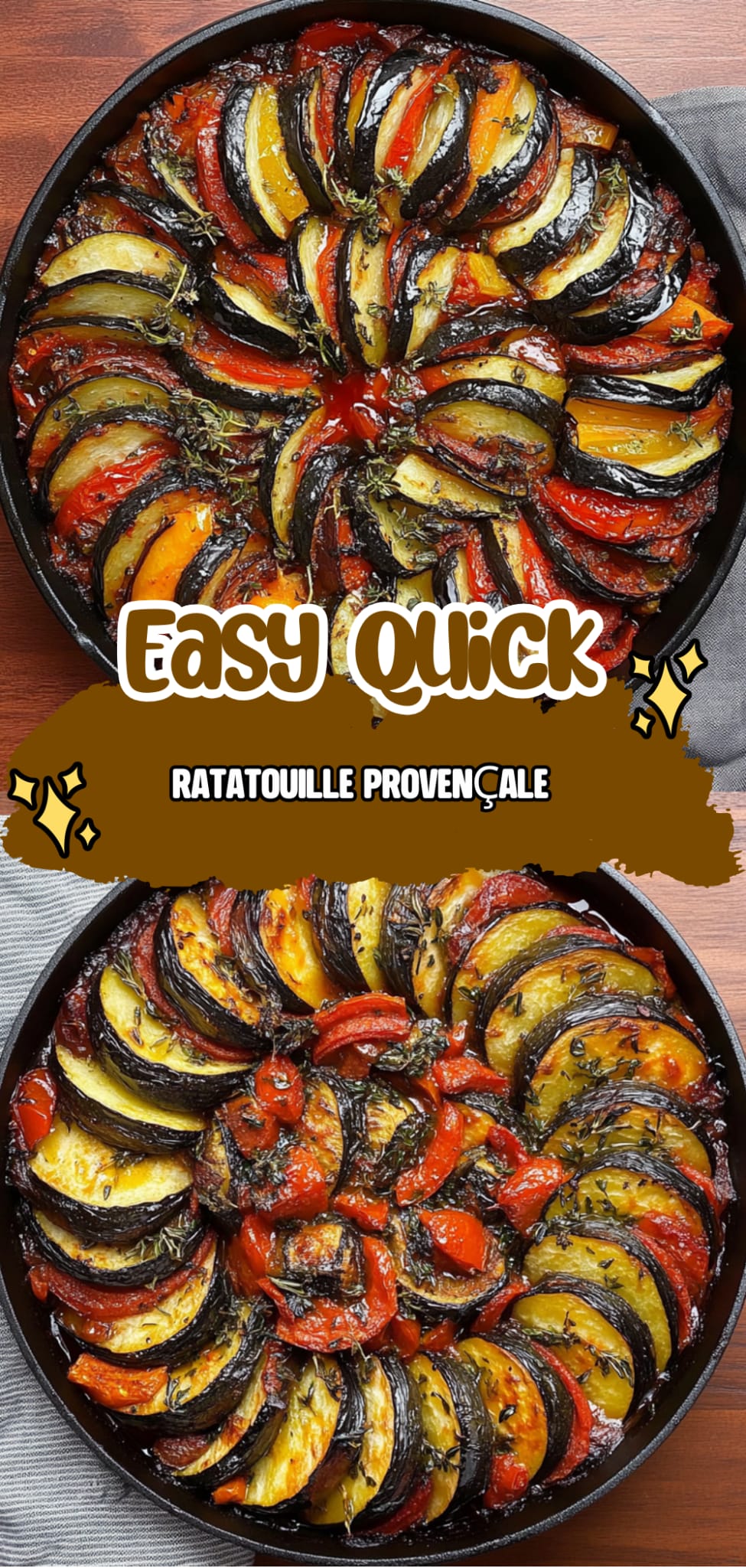
Prepare the Vegetables
Begin by dicing the eggplant, zucchini, bell pepper, and onion into uniform pieces for even cooking. Mince the garlic finely and chop the tomatoes into small chunks. For added texture, slice the zucchini and yellow squash into rounds. This preparation will ensure that all vegetables cook at a similar rate, allowing their flavors to meld beautifully.
Sauté the Vegetables
In a large skillet, pour in the olive oil and heat it over medium heat until it shimmers. Once hot, add the chopped onion and minced garlic, sautéing them until they become fragrant and softened, which should take about 5 minutes. Next, incorporate the diced eggplant and bell pepper into the skillet; cook for an additional 5 minutes until they begin to soften and release their natural juices.
Combine and Simmer
Stir in the sliced zucchini, yellow squash, chopped tomatoes, vegetable broth, dried thyme, dried basil, salt, and black pepper. Mix everything well to combine the ingredients thoroughly. Bring the mixture to a gentle simmer; cover the skillet with a lid and let it cook for 30-40 minutes. Stir occasionally to prevent sticking or burning on the bottom while ensuring that the vegetables become tender and infused with rich flavors.
Serve
After simmering, check that your vegetables are tender and that the dish has thickened slightly. Remove from heat once fully cooked, allowing the vibrant colors of your ratatouille to shine through. Serve warm in bowls or on plates, garnished with fresh herbs if desired for an extra touch of flavor.
How to Serve and Store Ratatouille
This Ratatouille recipe serves four and can be enjoyed in a variety of delicious ways. For a comforting meal, serve it over a bed of fluffy rice or couscous, which will soak up the rich flavors of the sauce beautifully. Alternatively, you can plate it with crusty French bread on the side, perfect for dipping into the vibrant vegetable medley. Garnish with fresh basil for an inviting touch that enhances both the presentation and flavor.
To store leftovers, place them in an airtight container and keep them in the refrigerator for up to 3 days. When reheating, add a splash of vegetable broth and warm it on low heat to maintain the vegetables’ texture without turning them mushy. While Ratatouille can be frozen, be aware that some vegetables may lose their crispness upon thawing, though the flavors will still be delightful.
What to Serve With Ratatouille
Creamy Polenta
The smooth and rich texture of creamy polenta pairs beautifully with Ratatouille, soaking up its vibrant flavors while adding a delightful contrast.
Roasted Broccoli
The charred edges of roasted broccoli provide a satisfying crunch that complements the tender vegetables in Ratatouille, enhancing the dish’s overall appeal.
Garlic Bread
Garlic bread is perfect for mopping up the savory juices of Ratatouille, offering a crispy texture that balances the dish’s softness.
Quinoa Salad
A refreshing quinoa salad with herbs and lemon adds a bright and nutritious element, harmonizing with the Mediterranean flavors of Ratatouille.
Mashed Cauliflower
This lighter alternative to traditional mashed potatoes provides a creamy base that enhances the richness of Ratatouille without overpowering it.
Grilled Eggplant
Grilled eggplant slices echo the flavors of Ratatouille while providing a smoky depth, creating a deliciously cohesive dining experience.
Frequently Asked Questions
Can I use a different type of vegetable instead of eggplant? Yes, you can substitute eggplant with mushrooms or even extra zucchini for a similar texture. Just keep in mind that this may slightly alter the flavor profile of the dish.
Is this ratatouille recipe gluten-free? Absolutely! This ratatouille is naturally gluten-free as it contains no grains or gluten-containing ingredients. It’s a perfect option for anyone following a gluten-free diet.
Can I make ratatouille ahead of time and freeze it? Yes, ratatouille freezes well. Simply cool it completely before transferring to airtight containers. It can be stored in the freezer for up to three months; just reheat thoroughly when you’re ready to enjoy it.
How do I know when the vegetables are done cooking? The vegetables are done when they’re tender and easily pierced with a fork, usually after 30-40 minutes of simmering. You want them soft but not mushy, allowing the flavors to meld beautifully.
Can I add more spices to make it spicier? Yes, feel free to add red pepper flakes or a dash of cayenne pepper for some heat. Adjust according to your taste preference, keeping in mind that the additional spices should complement rather than overpower the dish’s fresh vegetable flavors.
Is it better to cook ratatouille on the stovetop or in the oven? Cooking ratatouille on the stovetop allows for better control over texture and prevents overcooking. However, if you prefer an oven-baked version, you can roast the vegetables at 375°F until tender and caramelized for a different flavor profile.
Final Thoughts
Ratatouille is not just a dish; it’s a celebration of flavors and the perfect way to showcase fresh vegetables in a comforting and impressive manner. For more delightful culinary adventures, try pairing it with [Herb-Infused Quinoa Salad] or [Mediterranean Grilled Chicken] for a complete meal experience. We’d love for you to share your Ratatouille creations with us on Pinterest, and don’t forget to drop a comment below about how yours turned out!
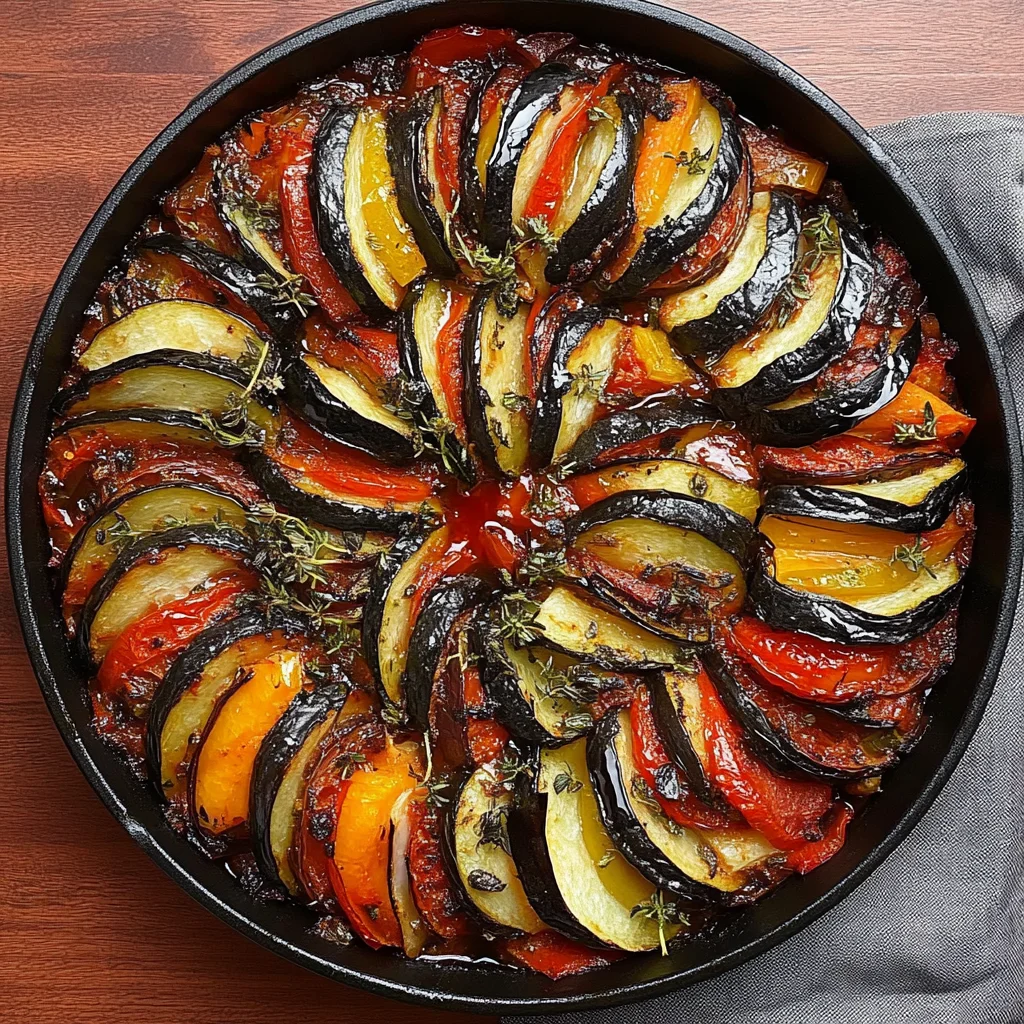
Ratatouille
Ingredients
Method
- Dice the eggplant, zucchini, bell pepper, and onion. Mince the garlic and chop the tomatoes.
- Slice the zucchini and yellow squash.
- In a large skillet, heat the olive oil over medium heat.
- Add the onion and garlic, sauté until softened, about 5 minutes.
- Add the eggplant and bell pepper, cook for another 5 minutes.
- Stir in the zucchini, yellow squash, tomatoes, vegetable broth, thyme, basil, salt, and pepper.
- Bring to a simmer, cover, and cook for 30-40 minutes, stirring occasionally.
- Once the vegetables are tender and the flavors melded, remove from heat.
- Serve warm, garnished with fresh herbs if desired.



Leave a Comment