The aroma of Pastitsio (Greek Lasagna) wafting through your kitchen is an invitation to indulge in a rich and comforting dish that warms the soul. This layered masterpiece combines tender pasta, a savory cinnamon-spiced beef sauce, and creamy béchamel for an unforgettable culinary experience.
Why You'll Love This Pastitsio (Greek Lasagna)
Ingredients for Pastitsio (Greek Lasagna)
Here is what you will need to make this delicious Pastitsio (Greek Lasagna):
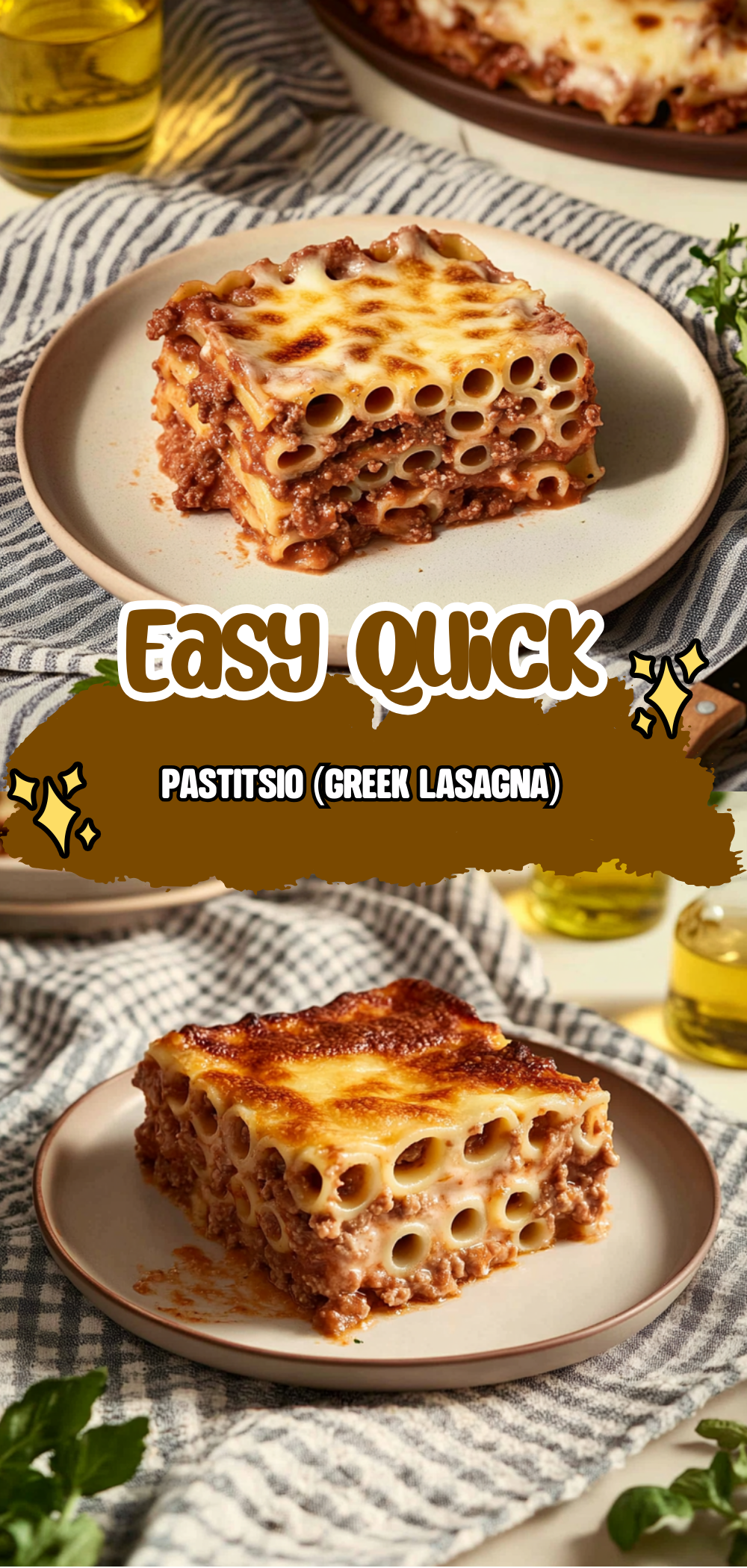
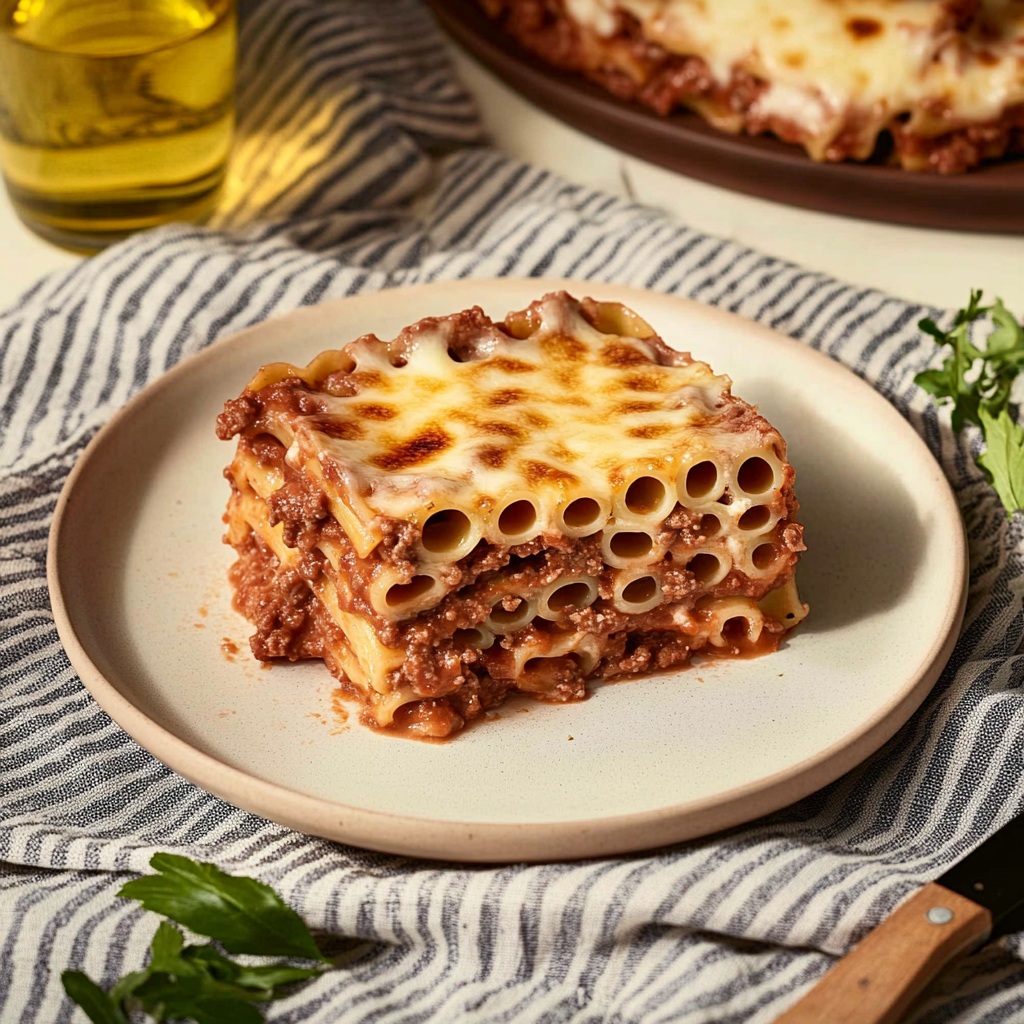
Authentic Pastitsio, or Greek lasagna ~ layers of pasta, cinnamon-laced beef, Kasseri cheese and béchamel.
3 pounds ground beef: Choose lean ground beef for a healthier option.
1 large onion, chopped: Adds depth and sweetness to the meat sauce.
2 15-ounce cans tomato sauce: Provides the base for a rich and flavorful sauce.
1 tablespoon ground cinnamon: A signature spice that gives pastitsio its unique flavor profile.
coarse kosher salt: Essential for seasoning the meat sauce properly.
1 package pastitsio noodles, or mostaccioli: The traditional pasta choice for layering.
1/2 pound or more kasseri cheese, grated, about 4 cups: Adds creaminess and richness; asiago or an Italian blend can be used as alternatives.
4 eggs: Helps bind the noodles together.
1 1/2 sticks unsalted butter: Used in both the béchamel and as a topping for flavor richness.
1 cup flour: Necessary for thickening the béchamel sauce.
5 1/2 cups whole milk: Provides creaminess to the béchamel sauce.
How to Make Pastitsio (Greek Lasagna)
Follow these simple steps to prepare this delicious Pastitsio (Greek Lasagna):
Step 1: Prepare the Meat Sauce
Make the meat sauce one day ahead to enhance its flavors. In a large pot, heat some olive oil over medium heat and add chopped onions with a pinch of salt until they become translucent. Then, incorporate ground beef until it’s no longer pink, breaking it apart as it cooks. Stir in tomato sauce and cinnamon before bringing it to a simmer; season with salt and let it stew with a lid on for three hours.
Step 2: Cook the Noodles
When ready to assemble, bring salted water to a boil and cook pastitsio noodles until al dente—about one or two minutes less than package instructions are recommended. Drain thoroughly before allowing them to cool slightly so you can handle them comfortably.
Step 3: Mix Eggs with Noodles
In a large bowl, combine the cooled noodles with one beaten egg using your hands to ensure they are evenly coated. This step helps bind the noodles together when layered in the pan.
Step 4: Layer Ingredients in Pan
Preheat your oven to 350ºF while you prepare your lasagna pan by drizzling olive oil at the bottom or coating it lightly with cooking spray. Spread the egg-coated noodles evenly across the bottom of the pan followed by a layer of cheese before topping it with most of your meat mixture—leaving space for béchamel later.
Step 5: Prepare Béchamel Sauce
In a heavy-bottomed pot, melt one stick of butter over medium heat before whisking in flour and cooking for just under two minutes until combined well without browning. Gradually add five cups of milk while continuously whisking until just boiling; then remove from heat and set aside.
Step 6: Combine Béchamel Mixture with Eggs
In another bowl, beat three eggs along with half a cup of milk using a hand mixer until smooth before slowly incorporating this mixture into your béchamel pot while whisking consistently throughout to ensure it mixes well.
Now you’re ready to bring all these layers together into an exquisite Pastitsio that’ll impress family and friends alike!
Perfecting Pastitsio (Greek Lasagna) Cooking Process
To create authentic Pastitsio efficiently, it’s crucial to prep ingredients ahead of time. This includes chopping onions, grating cheese, and cooking the meat sauce the day before. By organizing your steps and having everything ready, you’ll make the cooking process smoother and more enjoyable.
Add Your Touch to Pastitsio (Greek Lasagna)
Feel free to customize your Pastitsio by adding vegetables such as spinach or roasted peppers into the meat sauce. You can also experiment with different cheeses like mozzarella or a blend of your favorites for a unique twist. For a spicier kick, consider incorporating crushed red pepper flakes into the meat sauce for added flavor.
Storing and Reheating Pastitsio (Greek Lasagna)
Pastitsio can be stored in an airtight container in the refrigerator for up to three days. To reheat, simply cover it with foil and warm it in the oven at 350°F until heated through. For best results, avoid microwaving as it may change the texture of the béchamel sauce.
Chef's Helpful Tips for Pastitsio (Greek Lasagna)
Growing up, we often gathered around my grandmother’s table for her famous Pastitsio, where laughter mingled with delicious aromas wafting through the kitchen. Those moments remain some of my most cherished memories.
FAQs About Pastitsio (Greek Lasagna)
What is Pastitsio (Greek Lasagna)?
Pastitsio is a traditional Greek dish that resembles lasagna but features layers of pasta, a rich cinnamon-infused meat sauce, and creamy béchamel sauce topped with cheese. It’s a beloved comfort food that showcases the Mediterranean’s culinary heritage through its unique flavor profiles and textures.
How do I prevent my béchamel from getting lumpy?
To avoid lumps in your béchamel sauce, it’s essential to whisk constantly while slowly adding milk to the butter-flour mixture. Cooking over medium heat allows you to monitor its consistency closely. If lumps do form, you can strain the sauce through a fine mesh sieve for a silky-smooth finish.
Can I make Pastitsio ahead of time?
Absolutely! You can prepare each component of Pastitsio in advance—make the meat sauce, cook the noodles, and prepare the béchamel—and assemble them just before baking. This makes it a convenient option for gatherings or busy weeknights when you want a hearty meal without spending too much time in the kitchen.
Is there a vegetarian version of Pastitsio?
Yes! A vegetarian version of Pastitsio can be made using lentils or finely chopped mushrooms as a substitute for ground beef. Incorporating vegetables like zucchini or eggplant will add both flavor and texture while keeping this traditional dish delightful and satisfying.
Conclusion for Pastitsio (Greek Lasagna)
In summary, mastering Pastitsio (Greek Lasagna) involves understanding its layers—from pasta to flavorful meat sauce and creamy béchamel. With thoughtful preparation and cooking techniques, you’ll create an unforgettable dish that captures the essence of Greek cuisine. Whether enjoyed during family gatherings or special occasions, this classic recipe is sure to impress everyone at your table.
Pastitsio (Greek Lasagna)
Ingredients
Method
- Prepare the Meat Sauce: In a large pot, heat olive oil over medium heat and add chopped onions with a pinch of salt until translucent. Incorporate ground beef until no longer pink, then stir in tomato sauce and cinnamon. Bring to a simmer and season with salt, letting it stew with a lid on for three hours.
- Cook the Noodles: Bring salted water to a boil and cook pastitsio noodles until al dente—about one or two minutes less than package instructions. Drain thoroughly and allow to cool slightly.
- Mix Eggs with Noodles: In a large bowl, combine cooled noodles with one beaten egg, ensuring they are evenly coated to help bind them together.
- Layer Ingredients in Pan: Preheat oven to 350ºF. Drizzle olive oil in the lasagna pan, spread egg-coated noodles evenly, add a layer of cheese, and top with most of the meat mixture, leaving space for béchamel.
- Prepare Béchamel Sauce: In a heavy-bottomed pot, melt one stick of butter over medium heat, whisk in flour, and cook for under two minutes. Gradually add five cups of milk while whisking until just boiling, then remove from heat.
- Combine Béchamel Mixture with Eggs: In another bowl, beat three eggs with half a cup of milk, then slowly incorporate this mixture into the béchamel pot while whisking consistently.


Leave a Comment